

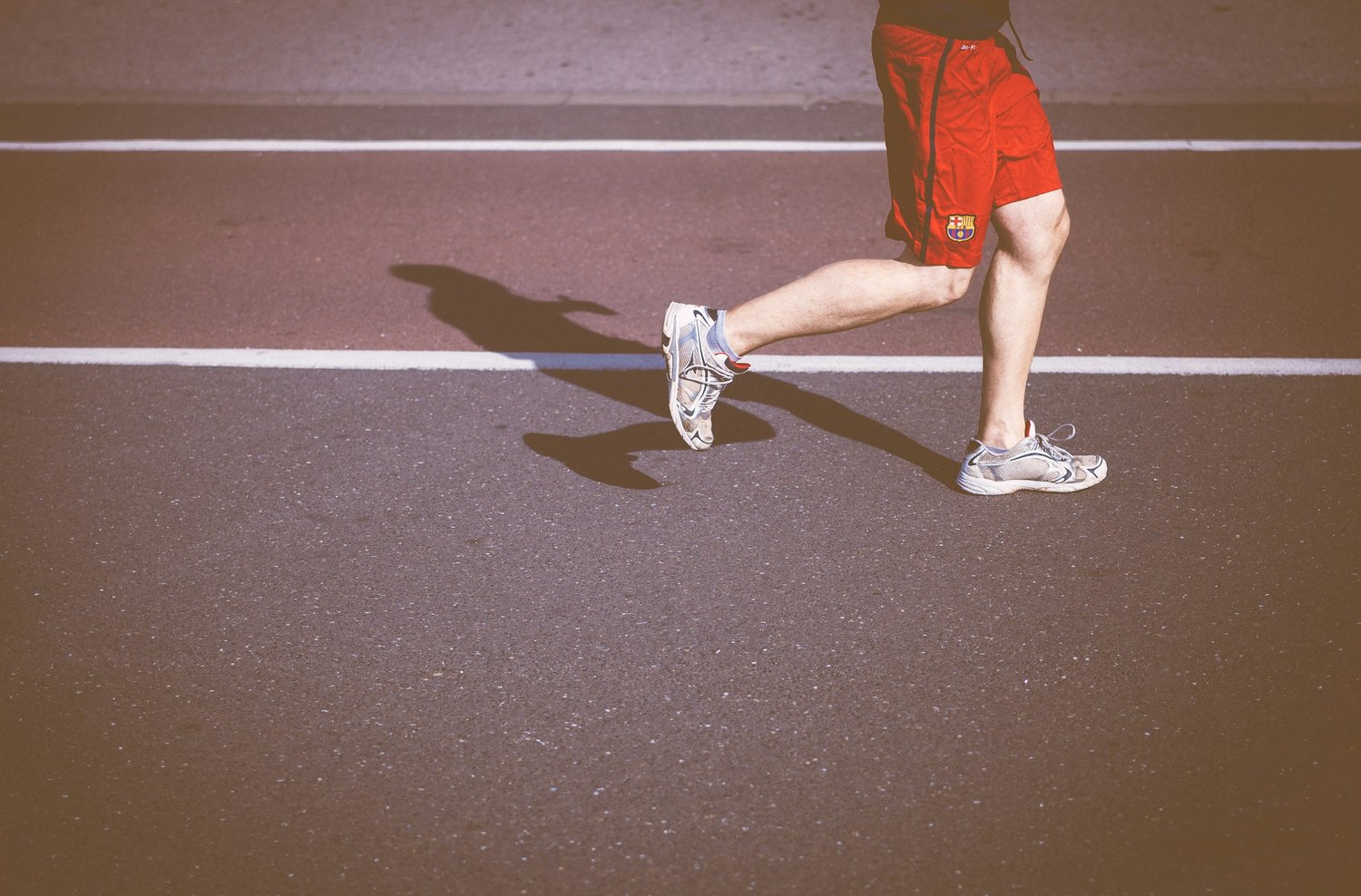
For athletes, the journey from off-season training to on-field competition requires more than just physical endurance. It requires a solid foundation of strength, mobility, and injury prevention. At Norton PT in Washington, D.C., we specialize in comprehensive sports physical therapy designed to help athletes recover from injuries, enhance performance, and prevent future setbacks.
Whether you’re preparing for the next season, recovering from an injury, or fine-tuning your skills, sports physical therapy plays a critical role in keeping you at your best. At Norton PT, we offer a range of services that address every stage of an athlete’s training cycle, from off-season conditioning to on-field performance.
In this article, we’ll explore how sports physical therapy for athletes can improve your overall performance, prevent injuries, and get you back to your sport stronger than ever.
READ: Advanced Strategies for Enhancing Running Performance in Washington, DC
The Role of Sports Physical Therapy in Athletic Performance
Sports physical therapy is not just about recovering from injuries—it’s about optimizing your movement patterns, strength, and endurance to perform at your best. At Norton PT, we believe that physical therapy should be comprehensive and tailored to each athlete’s specific needs, whether you're recovering from an injury or working to improve your overall performance.
Beyond Injury Recovery
While sports physical therapy is often associated with rehabilitating injuries, its benefits extend far beyond that. By assessing an athlete's biomechanics, movement patterns, and strength, a physical therapist can identify areas of weakness, imbalance, and inefficiency that can be improved to reduce the risk of injury and enhance performance.
Optimizing Performance
Sports physical therapy can help improve flexibility, balance, agility, endurance, and power. With customized programs that include exercises targeting core stability, joint mobility, and functional strength, athletes can enhance their performance and achieve greater levels of consistency and efficiency in their sport.
Injury Prevention
Physical therapy also plays a crucial role in injury prevention. By identifying potential risk factors, correcting improper movement patterns, and addressing muscle imbalances, sports PT can help athletes avoid injuries before they happen. This proactive approach is essential in both off-season training and during competition.
At Norton PT, our therapists work closely with athletes to create a personalized treatment plan that targets performance goals while ensuring long-term health and stability.
Injury Prevention Strategies for Athletes
Injury prevention is a cornerstone of sports physical therapy. Athletes of all levels are at risk of injuries, whether from overuse, improper technique, or insufficient strength and flexibility. Norton PT focuses on proactive strategies to reduce the risk of injury and ensure athletes can perform at their best without setbacks.
Biomechanical Assessments
A thorough biomechanical assessment is the foundation of any injury prevention strategy. By analyzing an athlete’s movement patterns, posture, and muscle imbalances, physical therapists can identify potential areas of weakness or faulty mechanics that could lead to injury. Correcting these imbalances through targeted exercises and mobility work helps athletes avoid issues like joint instability, muscle strains, and tendonitis.
READ: Step Up: How Physical Therapy Helps You Beat Plantar Fasciitis and Get Back on Your Feet Pain-Free
Neuromuscular Training
Neuromuscular training involves improving coordination, balance, and muscle activation to ensure that the body moves efficiently and with control. For athletes, this is key for preventing injuries like ACL tears, ankle sprains, or shoulder injuries. At Norton PT, we use exercises designed to improve balance, stability, and functional movement patterns, ensuring athletes can respond quickly and safely to the demands of their sport.
Prehabilitation (Prehab)
Prehab is a proactive approach to injury prevention that focuses on building strength, flexibility, and endurance in the areas of the body most prone to injury. Targeted strengthening exercises, stretching routines, and joint mobilizations can help athletes address weaknesses before they lead to injury. By incorporating prehabilitation into their training, athletes can reduce the likelihood of strains, sprains, and other common sports injuries.
Proper Warm-Up and Cool-Down
A proper warm-up before training or competition is essential to prepare muscles and joints for intense activity. Similarly, a cool-down helps the body recover and reduce the risk of tightness or injury. At Norton PT, we educate athletes on the importance of dynamic stretches, mobility exercises, and cool-down routines to ensure their bodies are fully prepared for performance and recovery.
By focusing on injury prevention throughout the year, athletes can stay healthy, perform consistently, and avoid the setbacks of injuries that might sideline them during crucial moments.
Rehabilitation: Recovering Stronger After an Injury
Injuries are a reality for athletes, but with the right rehabilitation plan, recovery can lead to stronger muscles, better mobility, and improved overall performance. Norton PT specializes in a comprehensive approach to rehabilitation, ensuring athletes not only recover but also enhance their strength and prevent future injuries.
READ: Bounce Back Stronger: How Physical Therapy Helps Runners Recover from Achilles Tendonitis
The Rehab Process: From Injury to Recovery
The rehabilitation process at Norton PT begins with a thorough evaluation to understand the extent of the injury, whether it’s a muscle strain, joint sprain, or ligament tear. After assessing the injury, our therapists develop a personalized plan that targets the specific areas of weakness and addresses pain management, inflammation, and healing.
Manual Therapy and Dry Needling
Manual therapy techniques, such as joint mobilizations and soft tissue manipulation, are often used to help reduce pain and improve flexibility. Dry needling, another key tool at Norton PT, helps release muscle tightness, reduce inflammation, and accelerate healing. By targeting the trigger points that contribute to pain, dry needling can effectively relieve discomfort and promote faster recovery.
Strengthening and Mobility Exercises
As the injury heals, strengthening exercises are introduced to rebuild muscle strength, stability, and endurance. Specific exercises are used to improve muscle balance and correct any weaknesses that contributed to the injury. Additionally, mobility work is incorporated to improve joint function and prevent stiffness, ensuring the athlete regains full range of motion and flexibility.
Sport-Specific Training
Once the athlete is cleared for more intense training, we incorporate sport-specific exercises into the rehabilitation plan. These exercises focus on the movements, demands, and performance techniques required for the athlete’s specific sport. The goal is to not only rehabilitate the injury but also ensure the athlete can return to the field at their peak performance level.
At Norton PT, our goal is to guide athletes through each stage of the rehabilitation process, ensuring that they recover fully, safely, and stronger than before.
READ: Running Performance: How Physical Therapy Enhances Your Speed and Endurance
Sport-Specific Training for Peak Performance
Every athlete has unique performance needs based on their sport. Whether you’re a runner, a soccer player, or a weightlifter, sport-specific training helps fine-tune your body to excel in the movements and demands of your sport. Norton PT provides tailored programs designed to enhance athletic performance by targeting the specific muscles, movements, and techniques that are crucial for success in your sport.
Customized Training Programs
At Norton PT, we don’t believe in a one-size-fits-all approach. Instead, we create personalized training programs that are designed to meet the unique needs of each athlete. Whether it’s improving running mechanics, enhancing agility, or optimizing strength for specific movements, our sport-specific programs are designed to maximize your performance while minimizing the risk of injury.
Movement Analysis
To design an effective training plan, our therapists first perform a movement analysis, assessing your body’s posture, alignment, and mechanics during key movements in your sport. This helps us identify areas that need improvement, such as weak muscle groups, poor movement patterns, or lack of coordination, which could affect your performance and lead to injury.
Agility and Speed Training
For athletes in high-speed sports (e.g., basketball, football, soccer), we focus on improving agility and explosive speed. Training drills and exercises help athletes improve their reaction times, quick direction changes, and overall coordination, helping them stay ahead of the competition.
Endurance and Strength Training
For sports that require sustained physical effort (e.g., long-distance running, swimming), endurance and core strength are key. At Norton PT, we build endurance through cardiovascular training and improve core strength to support movement efficiency. This ensures athletes can perform at their best even in the later stages of a game or competition.
By focusing on sport-specific training, athletes can improve their skills, enhance their performance, and stay at their peak throughout the season.
READ: Effective Treatment for Achilles Tendinitis in NW Washington, DC
The Role of Dry Needling and Manual Therapy in Recovery
Both dry needling and manual therapy play a critical role in the recovery process, addressing pain, improving flexibility, and speeding up healing. These techniques are frequently used at Norton PT to help athletes recover more efficiently from injuries and stay in peak form throughout their training and competition seasons.
Dry Needling: Targeting Muscle Tightness and Pain
Dry needling is a technique used to release tight muscles, commonly known as trigger points or "knots." By inserting fine needles into specific points in the muscle, the therapy helps release muscle tightness, improve circulation, and promote faster healing. Dry needling is especially effective in treating conditions like muscle strains, tendinitis, and chronic pain.
For athletes, dry needling is particularly beneficial for:
- Reducing muscle soreness and stiffness.
- Releasing trigger points that cause discomfort and affect movement.
- Accelerating recovery by increasing blood flow to the affected area.
Manual Therapy: Restoring Movement and Flexibility
Manual therapy involves a range of hands-on techniques that address joint dysfunction and soft tissue restrictions. These therapies include joint mobilization, myofascial release, and soft tissue massage, which help improve flexibility, reduce pain, and enhance muscle function.
At Norton PT, our therapists use manual therapy to:
- Improve range of motion in restricted joints.
- Release tension in muscles, tendons, and ligaments.
- Alleviate pain by promoting proper alignment and muscle function.
- Promote tissue healing and reduce scar tissue build-up post-injury.
By combining dry needling with manual therapy, we can provide athletes with a comprehensive treatment plan that addresses pain relief, muscle tightness, and joint mobility, ensuring they recover faster and get back to their sport stronger than before.
On-Field Preparation: Transitioning Back to Competition
After recovering from an injury, athletes must transition back to the demands of their sport with care. This is where on-field preparation comes in, ensuring that athletes return to competition fully recovered and physically ready for the intensity of their sport. At Norton PT, we focus on a gradual, systematic approach to rehabilitation that incorporates functional movement, sports-specific drills, and performance enhancement.
Gradual Return to Sport
Transitioning from rehab to full participation in a sport requires more than just being pain-free. It’s important to ensure that the athlete’s strength, mobility, and confidence are restored. At Norton PT, we monitor the athlete’s progress and tailor their rehab plan to gradually increase the intensity of training exercises and sports drills. This ensures the athlete is not only healed but also prepared for the physical demands of their sport.
Sport-Specific Drills
We use sport-specific drills to simulate the movements and intensity of the athlete’s competition. Whether it’s for a soccer player’s agility drills, a runner’s endurance building, or a basketball player’s jumping and lateral movement, these drills help athletes retrain their muscles, improve coordination, and restore functional movement.
Mental and Emotional Readiness
An often-overlooked part of returning to sport is the mental readiness to compete again after an injury. At Norton PT, we address both the physical and psychological aspects of recovery, helping athletes rebuild their confidence, reduce fear of reinjury, and feel mentally prepared to return to play.
Preventing Future Injuries
Returning to competition also means preventing future injuries. Through continued physical therapy, maintenance programs, and performance enhancement techniques, we help athletes develop the resilience they need to stay healthy throughout the season. We focus on maintaining optimal strength, flexibility, and mobility, so athletes remain at their best and minimize the risk of future injuries.
At Norton PT, we take a comprehensive approach to ensure that when athletes return to their sport, they do so with confidence, strength, and the readiness to perform at their peak.
READ: Why Fitness Benchmarks are the Secret to Injury Prevention for Runners and Active Adults
Long-Term Injury Prevention and Performance Optimization
While recovering from an injury or returning to sport is a significant milestone, long-term health and performance optimization are crucial for sustained success. At Norton PT, we believe that sports physical therapy should continue well beyond the rehab process to ensure athletes remain injury-free, maintain peak performance, and enhance overall athletic longevity.
Maintaining Strength and Flexibility
Even after full recovery, it’s essential to maintain strength and flexibility through regular maintenance therapy. At Norton PT, we help athletes integrate targeted exercises that focus on core stability, muscle endurance, and joint mobility, which are key to performing well over the long term. Regular therapy also ensures that the body’s movement patterns remain efficient and free from compensations that could lead to future injuries.
Ongoing Movement Assessments
Athletes are always evolving in their training, and so should their physical assessments. We offer regular movement screenings to assess biomechanical changes and ensure that any weaknesses or movement flaws are addressed early on. By performing these assessments throughout the season, we ensure that athletes stay in top shape and can make adjustments before small issues turn into bigger problems.
Injury Prevention Strategies
Injury prevention isn’t a one-time fix; it’s an ongoing process. At Norton PT, we create long-term injury prevention plans that include strength training, flexibility exercises, and balance drills tailored to the specific demands of each athlete’s sport. These strategies are designed to maintain physical resilience, prevent overuse injuries, and ensure that athletes continue to perform at their best without setbacks.
Recovery and Regeneration Techniques
Recovery doesn’t stop after an injury is healed. Active recovery, such as foam rolling, stretching, and myofascial release, helps maintain muscle elasticity and reduces stiffness. We incorporate recovery techniques into our training programs, helping athletes stay fresh, reduce fatigue, and perform consistently throughout the season.
By focusing on long-term injury prevention and performance optimization, we help athletes build a stronger foundation for their future successes, whether in the next season or years to come.
READ: How Physical Therapy Helps with Achilles Tendinitis Recovery
Take the Next Step Toward Peak Performance
Athletes face constant challenges in maintaining their performance while avoiding injury. Sports physical therapy at Norton PT provides a comprehensive, year-round approach to help athletes build strength, improve mobility, and prevent injury—whether they are recovering from a setback or working to enhance their performance.
By addressing every stage of the athletic cycle—from off-season training to on-field competition—our team ensures that athletes perform at their peak while staying healthy. Whether you’re looking to optimize your training, recover from an injury, or maintain long-term physical health, Norton PT is here to support you.
Ready to elevate your performance? Contact Norton PT today to schedule a consultation and take the first step toward a healthier, stronger, and more resilient athletic future.