

When you are sidelined by an injury, the first question on your mind is almost always: how long until you can get back to what you love? Whether you are training for a marathon on the National Mall or trying to navigate your workday without sharp back pain, waiting for recovery can feel incredibly frustrating. Understanding the timeline of healing is one of the most effective ways to regain a sense of control over your situation.
At Norton Physical Therapy and Performance, we know you are not just looking for a temporary fix. You want to return to your sport stronger than before. While every person and injury is unique, setting realistic expectations is the first step in a successful rehabilitation journey. The goal of performance physical therapy in Washington, DC is to move beyond basic pain relief and restore high-level function.
Factors That Influence Your Physical Therapy Timeline
Not all injuries are created equal, and several variables will shape how quickly you see results.
One of the primary factors is the type of injury. Acute injuries, like a sudden ankle sprain, often follow a more predictable healing path than chronic conditions like Achilles tendinopathy or IT band syndrome, which may have been developing for months before you ever felt significant pain.
The severity of the injury also plays a significant role. A mild muscle strain might require only a few weeks of targeted work, whereas a complete ligament tear or post-surgical rehabilitation involves a much more extensive biological healing process. Your personal profile, including age, sleep quality, and nutrition, also influences how efficiently your tissues repair themselves.
Finally, consistency and adherence are the engines that drive recovery. Norton Physical Therapy and Performance provides the roadmap, but your commitment to the plan is what moves the needle. Attending your sessions and staying diligent with your home exercise program ensures that the progress made in the clinic is reinforced every single day.

Average Timelines for Common Running and Sports Injuries
While every plan is tailored to the individual, the following benchmarks reflect general recovery windows for common injuries treated at our Washington, DC clinic.
Lower Extremity Injuries
- Runner's Knee (Patellofemoral Pain): Most athletes see significant improvement within 4 to 8 weeks. Treatment focuses on biomechanical correction and targeted hip and quad strengthening to ensure the kneecap tracks correctly during activity.
- Achilles Tendinopathy: Tendons heal more slowly than muscles due to limited blood supply. Recovery often spans 6 to 12 weeks or longer, as the tendon must be progressively loaded to rebuild its capacity.
- Ankle Sprains: A mild sprain may resolve in 2 to 4 weeks, while a more severe tear can take 12 weeks or more to reach full return-to-sport readiness.
- IT Band Syndrome: This common overuse injury among runners typically responds well within 4 to 8 weeks when addressed with soft tissue work, hip strengthening, and running gait analysis to correct contributing movement patterns.
- Hamstring Strains: Mild strains often resolve in 3 to 6 weeks, while more significant tears may require 8 to 12 weeks of structured therapeutic exercise and progressive loading.
Spine and Upper Extremity Injuries
- Low Back Pain: Many patients experience meaningful relief within 4 to 6 weeks. Treatment often combines manual therapy, dry needling, and targeted core strengthening to address both symptoms and underlying movement deficits.
- Shoulder Impingement or Rotator Cuff Pain: Depending on severity, recovery typically ranges from 6 to 12 weeks and involves joint mobilization, neuromuscular re-education, and progressive strengthening.
- Tennis Elbow or Golfer's Elbow: These tendinopathy conditions generally require 6 to 12 weeks of treatment, including soft tissue mobilization, IASTM, and eccentric loading protocols.
Why One-on-One Care Speeds Up Results
The traditional physical therapy model often involves being passed off to an aide or sharing your therapist's attention with multiple patients at once. This volume-based approach frequently leads to slower progress and more total visits.
At Norton Physical Therapy and Performance, every session is 60 minutes of dedicated, one-on-one care with a licensed physical therapist. There are no aides and no double-booking. This focused time allows for thorough assessments, precision manual therapy, and immediate adjustments to your exercise program based on how your body is responding.
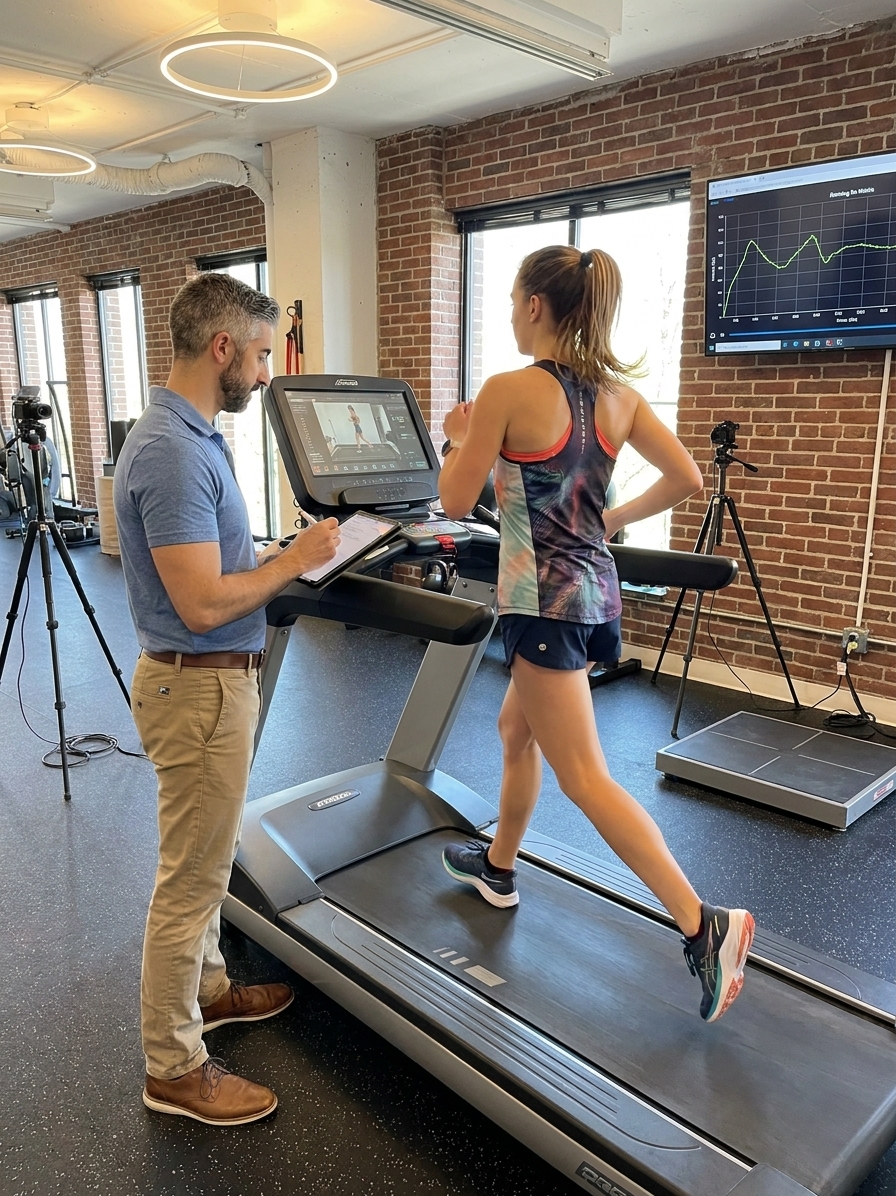
Because our team includes competitive athletes with deep experience in running physical therapy in Washington, DC, we understand the specific demands placed on your body during training and competition. Advanced tools such as VALD testing, isokinetic dynamometer testing, and running gait analysis allow us to identify the root cause of your pain quickly, rather than working through a generic protocol. This level of precision means you often need fewer total visits to achieve more sustainable results.
How Your Active Participation Accelerates Healing
Physical therapy is a collaborative process. While specialized treatments like dry needling, joint mobilization, cupping, and myofascial release are used to jumpstart your recovery, your work outside the clinic is equally important.
Your therapist will build a structured home program designed to reinforce what is accomplished during each session. By staying engaged in your recovery and communicating openly about how your body is responding to different loads, your therapist can progress your plan more aggressively and safely. This active participation also ensures that when you return to your sport, you have the strength, mobility, and movement quality needed to reduce the risk of re-injury.
For athletes with specific performance goals, services like return-to-sport testing, movement screens, and strength and conditioning programming can be integrated into your plan to bridge the gap between rehabilitation and full athletic performance.
Ready to Start Your Recovery in Washington, DC?
The timeline for recovery depends on your specific injury, your goals, and the care model you choose. You do not have to settle for a generic plan that keeps you on the sidelines longer than necessary.
By combining expert manual therapy with targeted performance physical therapy, Norton Physical Therapy and Performance helps you move from pain relief to performance readiness. Contact us today to schedule your comprehensive evaluation and take the first step toward getting back to what you love.