
The Role of Flexibility and Mobility in Running: Stretching Techniques for Injury Prevention

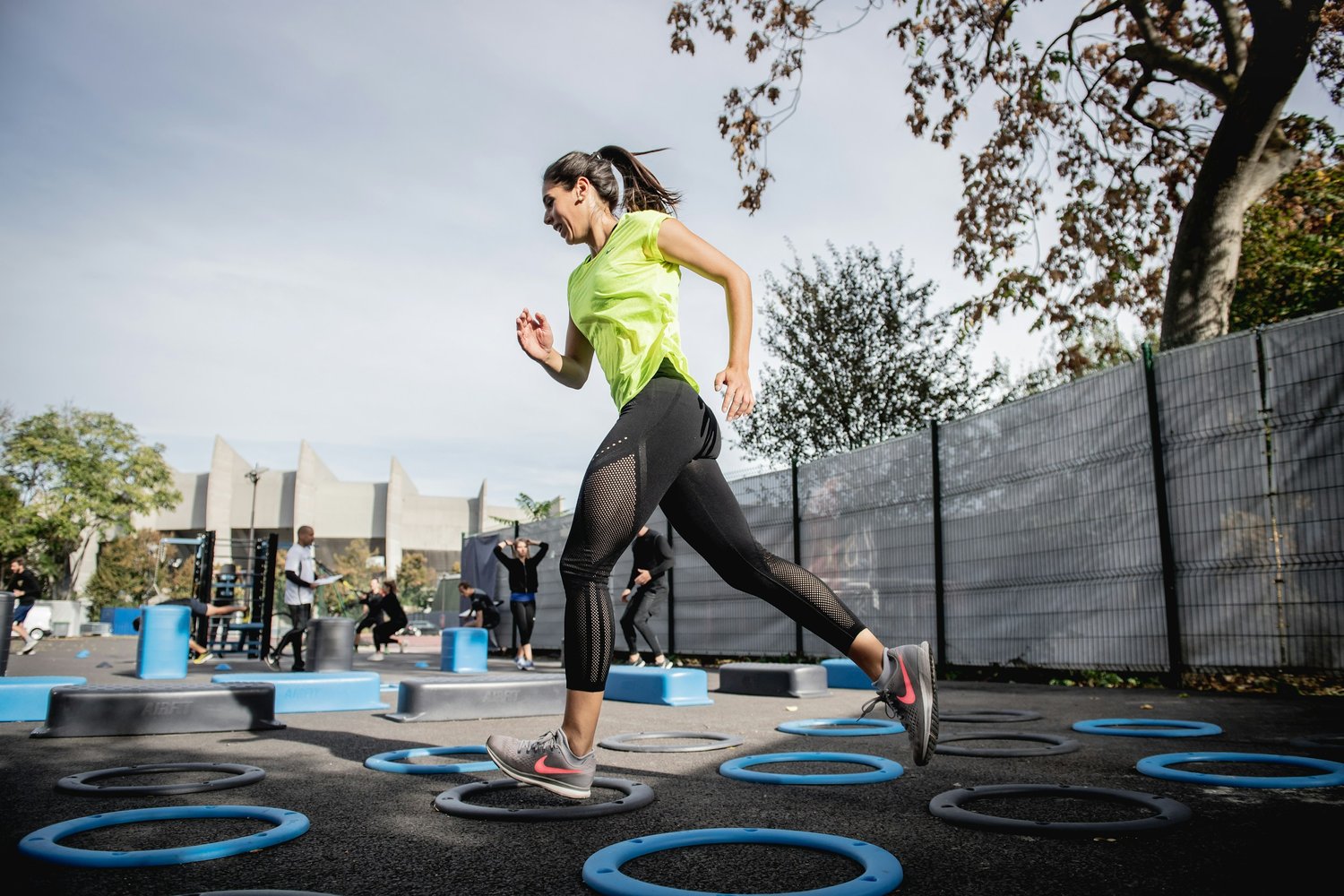
At Joe Norton Physical Therapy located in Washington DC, we understand that runners often focus on endurance, speed, and strength, but one crucial aspect of performance and injury prevention is flexibility and mobility. Without proper movement in the joints and length in the muscles, runners are more prone to injuries such as shin splints, Achilles tendinitis, and hamstring strains.
READ: Advanced Strategies for Enhancing Running Performance in Washington, DC
Flexibility and mobility play different yet complementary roles in running efficiency. While flexibility refers to a muscle’s ability to stretch, mobility is the ability of a joint to move through its full range of motion. Runners who prioritize both in their training see improvements in stride efficiency, reduced muscle tightness, and better overall performance.
In this article, we’ll explore the difference between flexibility and mobility, essential stretching techniques for runners, and how tools like dry needling can help optimize movement and prevent injury.

The Difference Between Flexibility and Mobility in Running
Many runners assume that being flexible automatically means better mobility, but the two are distinct concepts. Flexibility refers to the ability of a muscle to lengthen passively, while mobility is the ability of a joint to move actively through its full range of motion.
READ: Step Up: How Physical Therapy Helps You Beat Plantar Fasciitis and Get Back on Your Feet Pain-Free
For runners, mobility is often more important than flexibility. A flexible muscle can stretch, but if the surrounding joints lack proper mobility, movement patterns become inefficient, increasing the risk of injury. For example, a runner may have flexible hamstrings but limited hip mobility, leading to poor stride mechanics and excessive strain on other muscle groups.
By improving both flexibility and mobility, runners can achieve:
- Better stride efficiency – allowing for smoother, more controlled movements.
- Reduced muscle tightness – preventing compensatory movement patterns.
- Lower injury risk – minimizing stress on overworked joints and tissues.
The key to unlocking optimal running performance lies in a combination of targeted stretching and mobility exercises designed to enhance movement quality. In the next section, we’ll dive into specific stretching techniques that every runner should incorporate into their routine.
Key Stretching Techniques for Runners
Stretching is an essential part of any runner’s routine, but knowing when and how to stretch is just as important as the stretches themselves. There are two primary types of stretching: dynamic stretching, which is best before a run, and static stretching, which is more effective after running.
READ: Running Performance: How Physical Therapy Enhances Your Speed and Endurance
Dynamic Stretching: Pre-Run Activation
Dynamic stretches help prepare the muscles for movement by increasing blood flow and activating key muscle groups. Runners should focus on:
- Leg Swings – Improves hip mobility and loosens the hamstrings and hip flexors.
- Lunges with a Twist – Engages the hips, quads, and core while improving rotational mobility.
- High Knees – Warms up the hip flexors and promotes an efficient running gait.
Static Stretching: Post-Run Recovery
Static stretching is beneficial after running to help maintain flexibility and reduce muscle stiffness. Some key stretches include:
- Standing Quad Stretch – Stretches the quadriceps and helps prevent knee pain.
- Seated Hamstring Stretch – Improves flexibility in the hamstrings and lower back.
- Calf Stretch – Prevents tightness in the Achilles tendon and lower leg.
Mobility Drills for Enhanced Range of Motion
Beyond flexibility, runners should incorporate mobility drills to improve joint movement. Some effective drills include:
- Hip Circles – Opens up the hip joints, improving stride length and efficiency.
- Ankle Dorsiflexion Drills – Enhances ankle mobility, reducing the risk of shin splints and foot injuries.
By integrating both stretching and mobility exercises into their routine, runners can optimize movement patterns and reduce the risk of injury. In the next section, we’ll explore how dry needling can complement stretching by relieving muscle tightness and improving flexibility.
READ: Running with Arthritis: How Physical Therapy Can Help You Stay Active
How Dry Needling Can Support Flexibility and Mobility
While stretching and mobility exercises are essential for runners, sometimes muscle tightness and restrictions persist despite regular stretching. This is where dry needling can play a crucial role in improving flexibility and mobility.
What Is Dry Needling?
Dry needling is a technique used by physical therapists to release tight muscles and trigger points. It involves inserting thin, sterile needles into areas of muscle tension to stimulate a healing response, improve blood flow, and reduce pain. Unlike acupuncture, which is rooted in traditional Chinese medicine, dry needling is based on modern anatomy and neuromuscular science.
How Dry Needling Helps Runners
For runners, dry needling can be particularly beneficial in:
- Releasing Muscle Knots – Helps loosen deep-seated tension that stretching alone may not address.
- Restoring Mobility – Improves range of motion in areas like the hips, calves, and hamstrings.
- Reducing Pain and Stiffness – Aids in faster recovery and keeps muscles functioning optimally.
When Should Runners Consider Dry Needling?
Dry needling can be a great addition to a runner’s recovery plan if they experience:
- Persistent muscle tightness that doesn’t improve with stretching.
- Limited mobility affecting their running stride.
- Recurrent pain in common problem areas like the IT band, calves, or lower back.
By incorporating dry needling alongside regular flexibility and mobility work, runners can maximize movement efficiency and prevent overuse injuries. In the next section, we’ll cover additional stretching best practices and common mistakes to avoid for long-term injury prevention.
Tips for Preventing Running Injuries Through Stretching
While stretching is a key component of injury prevention, how and when you stretch matters just as much as the stretches themselves. Many runners unknowingly make mistakes that can reduce the effectiveness of their routine or even contribute to injuries. Here are some essential tips to keep in mind:
1. Prioritize Dynamic Stretching Before Running
- Instead of static stretching before a run, focus on dynamic movements like leg swings, lunges, and high knees to activate muscles and prepare them for movement.
- Static stretching before a run can temporarily weaken muscles and reduce performance.
2. Stretch Consistently, Not Just When You Feel Tight
- Regular stretching—whether daily or after every run—helps maintain flexibility and mobility over time.
- Sporadic stretching is less effective and may not provide long-term benefits.
3. Don’t Push Through Pain
- Stretching should feel like a gentle pull, not pain. Overstretching can lead to muscle strain or irritation.
- If a muscle feels excessively tight or painful, alternative treatments like dry needling or physical therapy may be necessary.
4. Balance Flexibility and Strength
- Flexibility without strength can lead to instability, increasing the risk of injuries.
- Incorporate strength exercises like squats, lunges, and core work to complement stretching and support proper movement mechanics.
5. Listen to Your Body and Modify as Needed
- Every runner’s body is different—what works for one person may not work for another.
- Adjust your stretching routine based on how your muscles feel and what your body needs at different stages of training.
By following these best practices, runners can improve their flexibility and mobility while reducing the risk of common injuries. In the final section, we’ll recap the key takeaways and discuss how Joe Norton Physical Therapy can help runners optimize their movement and recovery.

READ: Overcoming Knee Pain with Physical Therapy: Boston Marathon Success
Flexibility and mobility are essential for runners looking to enhance performance and prevent injuries. While flexibility allows muscles to stretch, mobility ensures joints move through their full range of motion—both of which contribute to an efficient and pain-free running experience.
By incorporating dynamic stretches before runs, static stretches after, and mobility drills regularly, runners can improve movement quality and reduce strain on overworked muscles. Additionally, dry needling offers an effective way to release deep muscle tightness and restore proper function when stretching alone isn’t enough.
For runners looking to optimize their flexibility, mobility, and overall movement patterns, Joe Norton Physical Therapy provides expert guidance and specialized treatments, including dry needling and personalized recovery plans.
Book an appointment today to take the next step toward pain-free running and long-term performance improvements.